
Why Connection-Centered Spaces Feel Different
Why Connection-Centered Spaces Feel Different
You can feel it almost immediately.
You walk into a space, and something in your body either settles — or stays alert.
The lighting might be similar.
The furniture might be similar.
The purpose might even be similar.
And yet the experience is entirely different.
Why?
Because not all spaces are built with the same center.
Some are built around productivity.
Some around performance.
Some around transaction.
And some — more quietly — are built around connection.
What “Connection-Centered” Actually Means
Connection-centered doesn’t mean loud.
It doesn’t mean extroverted.
It doesn’t mean constant conversation.
It means the space is designed around human presence, not just output.
It asks:
How do people feel when they arrive?
Is there room to enter quietly?
Can someone return without re-introducing themselves every time.
Does the space allow both focus and familiarity?
Connection-centered design considers the nervous system as much as the schedule.
Adults Experience Space Differently
By midlife, most adults have accumulated enough experiences to read rooms quickly.
We notice tone.
We sense expectation.
We assess whether we need to be “on.”
In performance-centered spaces, we brace slightly.
In transaction-centered spaces, we move efficiently.
In connection-centered spaces, we soften.
That softening matters.
Because softening is what makes room for belonging.
The Difference Isn’t Always Visible
Connection-centered spaces aren’t always flashy.
Often they feel:
calm
steady
layered
lived-in
There is rhythm.
There is familiarity.
There is permission.
No one is rushing you toward a sale.
No one is pushing you into a conversation.
No one is evaluating your usefulness.
And that absence of pressure creates something rare in adulthood: ease.
Why This Resonates So Deeply Right Now
Modern adulthood asks for constant output.
Be productive.
Be interesting.
Be efficient.
Be visible.
Connection-centered environments quietly refuse that demand.
They create space where:
you can focus without isolation
you can connect without performing
you can return without starting over
And for many thoughtful adults, that difference is profound.
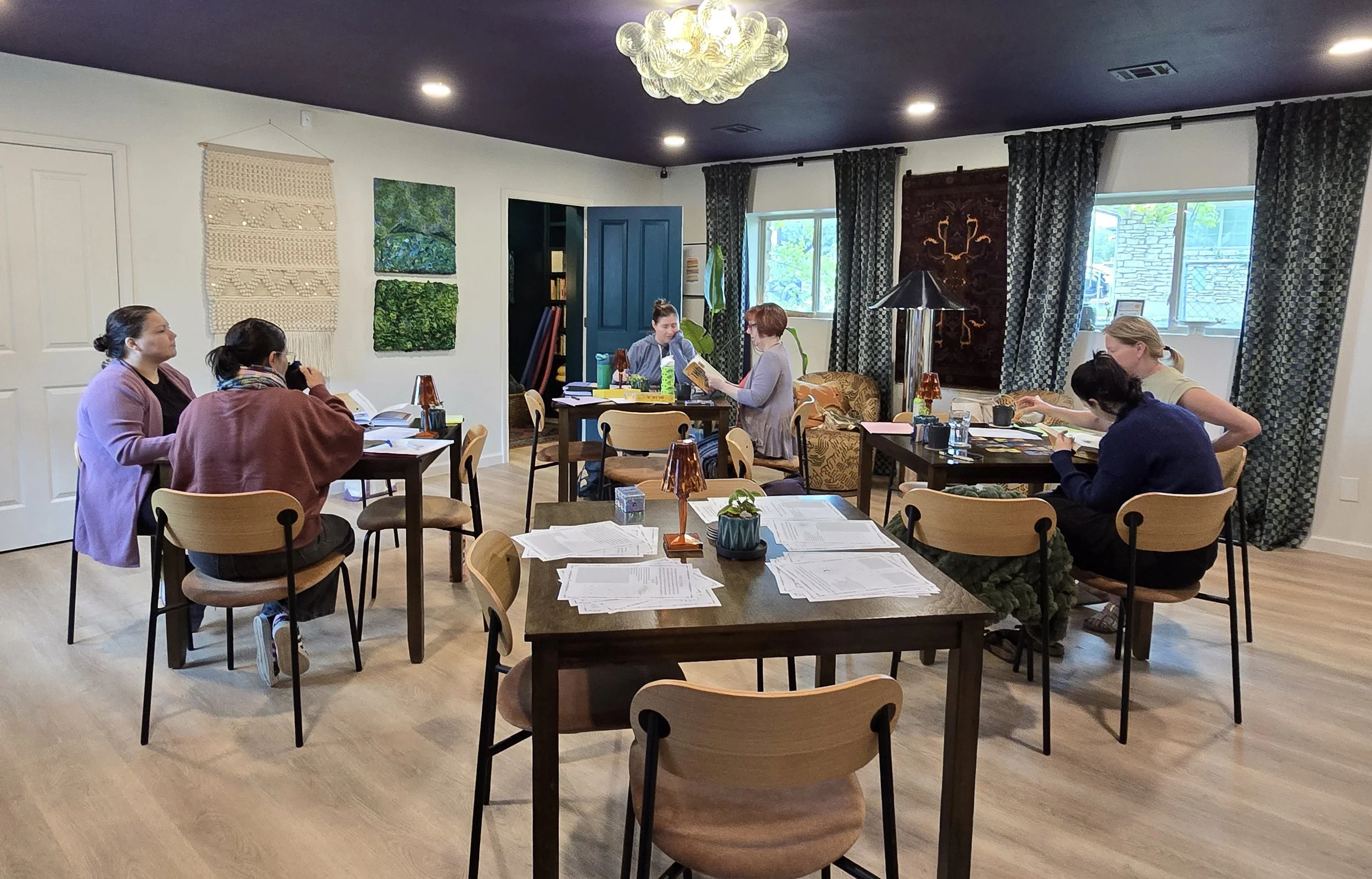
How This Shows Up at Maeve House
At Maeve House, connection isn’t a feature layered on top of coworking.
It’s the organizing principle.
The layout allows choice.
The culture allows quiet.
The rhythm rewards return.
And over time, that design shapes how people interact.
They stay a little longer.
They greet each other more naturally.
They build familiarity without force.
It doesn’t happen dramatically.
It happens steadily.
A Question Worth Asking
When you think about the spaces in your life — work, social, third places — ask yourself:
Are they built around output?
Or around connection?
The difference may explain more than you expect.
CTA
If you’re curious what a connection-centered space feels like in practice, you’re welcome to visit Maeve House in Southwest Austin.